About Course
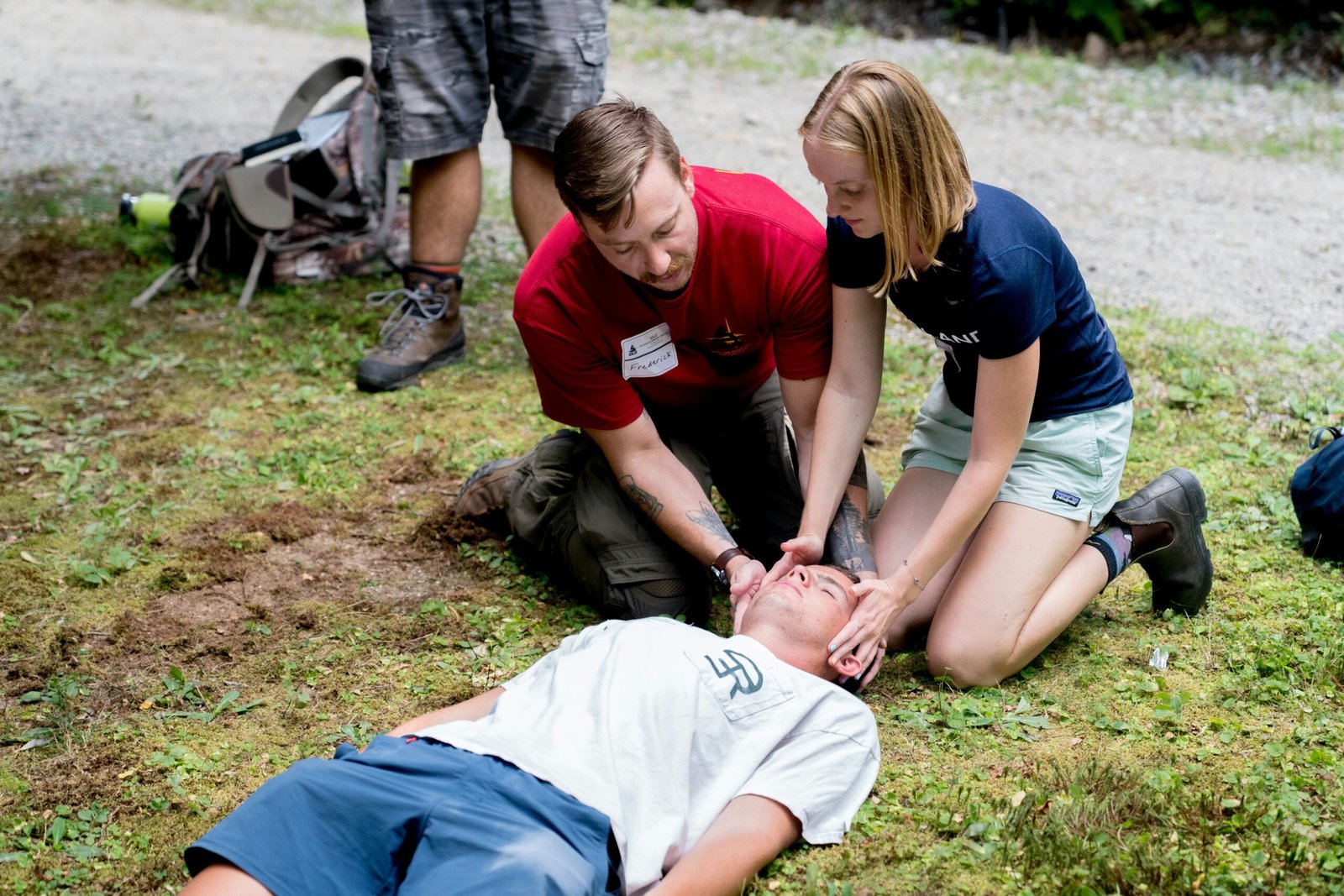
The FREC 3 course is the Level 3 Award in First Response Emergency Care, a regulated qualification that prepares you to give pre-hospital care in an emergency. It suits people who want to work or volunteer on an ambulance crew, at events, in security or in emergency response. UK Training Services Ltd delivers FREC 3 as a Qualsafe registered centre from Rowley Regis in the West Midlands, with small classes of six so every learner gets hands-on practice.
Course at a glance
Qualification: Level 3 Award in First Response Emergency Care (FREC 3), awarded by Qualsafe
Price: £402 + VAT per person
Class size: Maximum 6 learners
Guided learning hours: 39 hours
Total qualification time: 180 hours, including self-directed study and workbooks
Certificate valid for: 3 years from the date of issue
Next course dates: 4-8 January 2027
Delivery: Face to face at our venue or your workplace, or online. Contact us to confirm the arrangements for your course.
Who is the FREC 3 course for?
- People starting a career in pre-hospital or ambulance care
- Event medical teams and first aid cover providers
- Security and door staff who want a higher level of emergency care
- Private ambulance service staff and volunteers
- Anyone who needs a recognised Level 3 emergency care qualification for work
What you will learn
- Responding to an emergency scene and assessing a casualty
- Managing the airway and giving basic life support
- Controlling bleeding and treating shock
- Recognising and managing common medical emergencies and trauma
- Moving and handling casualties safely
- Working with other emergency services and recording your care
What is included in the price
- Teaching from experienced, qualified trainers
- Course materials and workbooks
- Practical training with appropriate equipment
- Assessment and certification on successful completion
Prices exclude VAT.
Renewing your FREC 3 qualification
Your FREC 3 certificate is valid for three years. To keep it active you need to complete a requalification course before it expires. Contact us about requalification dates.
FREC 3 or FREC 4?
FREC 3 is the starting qualification for pre-hospital care. FREC 4 builds on it with a higher level of knowledge and skills and is aimed at people who want to progress further in the sector. Not sure which one is right for you? Call us and we will help you choose.
Group and on-site FREC training
Employers and organisations can book FREC 3 for teams. We offer group pricing and can discuss delivery at your workplace or an agreed venue.
Frequently asked questions
How much does the FREC 3 course cost?
The FREC 3 course costs £402 + VAT per person. Group bookings may qualify for a discount, so contact us for a quote.
How long does the FREC 3 course take?
The qualification has 39 guided learning hours, plus self-directed study.
Is the FREC 3 qualification accredited?
Yes. It is a regulated qualification awarded by Qualsafe, and we are a Qualsafe registered centre.
How long does the certificate last?
Your FREC 3 certificate is valid for three years from the date of issue.
Do I need any experience to take FREC 3?
Please contact us for details.
What is the difference between FREC 3 and FREC 4?
FREC 3 is the Level 3 Award and FREC 4 is the Level 4 Certificate. FREC 4 covers more advanced pre-hospital care. See our FREC 4 page.
Can you run FREC 3 at our workplace?
Contact us to discuss on-site or group training.
What happens if I need to cancel or rebook?
Please contact us for details.
Ready to book your FREC 3 course?
Contact UK Training Services Ltd on 07575 276079 or send an enquiry. We reply within 24 hours. Open 9am to 5pm.
New to FREC? Read FREC courses explained to see how FREC 3 and FREC 4 differ and which level suits you.
Course Content
Course Content
-
Course Content Topics
Student Ratings & Reviews