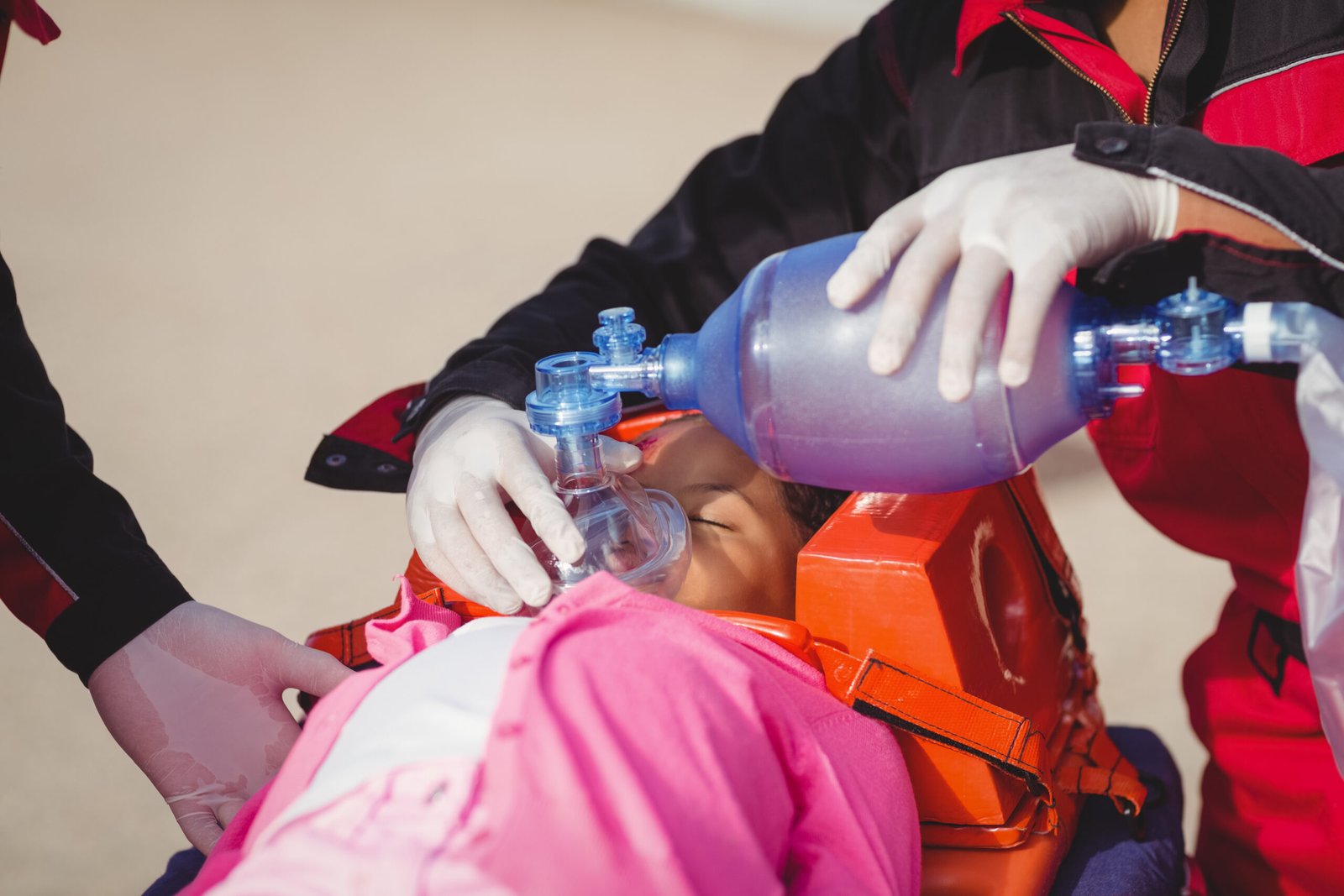
What Is FREC 3?
If you are looking to progress beyond traditional workplace first aid and develop more advanced emergency care skills, FREC 3 – First Response Emergency Care is an excellent place to start.
FREC 3 is designed for people who may be required to provide emergency care in the pre-hospital environment. It develops the knowledge, practical skills and confidence needed to assess and manage patients experiencing a wide range of medical and traumatic emergencies.
Unlike a standard First Aid at Work course, FREC 3 goes significantly further into patient assessment, emergency care and clinical decision-making.
At UK Training Services Ltd, our aim is not simply to help learners complete a qualification. We want delegates to leave training feeling confident, capable and prepared to use their skills in realistic emergency situations.
Who Is FREC 3 Suitable For?
FREC 3 can be suitable for people who want to develop their emergency care knowledge or begin progressing towards work within the wider pre-hospital care sector.
Learners may include:
- Event medical personnel
- First responders
- Security professionals
- Emergency response teams
- Community responders
- Those working in high-risk environments
- Individuals looking to develop a career in pre-hospital care
- Learners intending to progress to higher-level emergency care qualifications
It can also provide an excellent progression route for experienced first aiders who want to take their skills beyond conventional workplace first aid.
What Will You Learn on a FREC 3 Course?
FREC 3 combines theoretical knowledge with practical emergency care skills.
The course develops a structured approach to assessing and managing patients while encouraging learners to recognise deterioration and respond appropriately.
Training can include areas such as scene safety and patient assessment, airway management, breathing and circulation problems, CPR and resuscitation, use of an AED, medical emergencies, traumatic injuries, catastrophic bleeding, shock, fractures and musculoskeletal injuries, head and spinal injuries, burns, environmental emergencies and patient monitoring.
Learners also develop their communication and handover skills, helping them provide clear and accurate information when transferring care to other healthcare professionals.
A major part of FREC training is practical application. Learners should therefore expect to spend much of the course working hands-on, practising patient assessment, airway management, CPR and AED use, bleeding control and immobilisation techniques in realistic scenarios led by an experienced tutor.
Who is FREC 3 for?
FREC 3 is a good starting point for anyone who wants a career in pre-hospital emergency care. That includes people planning to work as an ambulance care assistant or event medic, and those aiming to progress towards FREC 4 and roles in the wider ambulance and emergency medical services. It is also suitable for people who want a recognised, regulated qualification in emergency care without any previous clinical experience.
How is FREC 3 assessed?
Learners are assessed through a combination of practical skills assessment and a knowledge assessment, so you can show both what you know and what you can do.
What happens after FREC 3?
Many learners go on to complete FREC 4, which builds on FREC 3 and covers more advanced assessment and clinical skills. Read our guide to FREC courses explained to see how the two levels compare.
Ready to take the next step?
See our FREC 3 course for the next dates and prices, or read FREC courses explained to compare FREC 3 and FREC 4.
Pingback:FREC 3 vs FREC 4: Which Course Do You Need?